The Importance of Great-Aunts…
I have a bit of a thing for great-aunts. My nan was one of three sisters, so I had two great-aunts of my own – Auntie Joan and Auntie Joyce. They were a constant of my childhood – when my sister and I went to stay with my nan, which we did frequently, the visit was never complete without an afternoon round at one or the other aunt’s house, playing cards for small change, having sweet milky cups of tea and sticky gingerbread, going for a walk down to the parade of shops to buy an ice-cream or some sweets. Or just listening to the soothing sound of my nan and her two sisters reminiscing about growing up in India or complaining about the world in general and the inadequacies of men in particular.
As a teenager, long after those visits had ceased, I discovered P.G. Wodehouse and his endless parade of great-aunts.
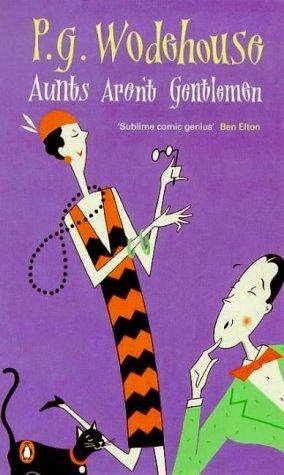
Bertie Wooster had two very particular ones: Aunt Agatha (always on Bertie’s case and not to be crossed at any price) and Aunt Dahlia (a little more good natured but still requiring endless running around from Bertie that inevitably got him into sticky situations). I discovered on recent re-reading that they were strictly speaking aunts, rather than great-aunts, but, perhaps because they reminded me very strongly of my own great-aunts, that’s what I remember them being.
I hadn’t realised the extent to which great-aunts were lurking in my sub-conscious till I started writing my own books. In my first series, set in Arthurian England, the plot requires that the hero, Max, be given a very special cauldron.

And who should appear in the story to give it to him but a great-aunt – in this case, Great-Aunt Wilhelmina, who is an ancient dragon with a hoard of cauldrons. (Wilhelmina was the name of my own great-aunts’ great-aunt, who helped bring their mother up when both her parents died of cholera in India.)

Great-Aunt Wilhelmina was a fabulous character to have in the story – wise, very powerful, generally helpful but not above giving my child characters a stern talking to when they needed it. She also had the privilege that vast age brings, of being able to give even the more powerful adult characters (such as Merlin) a ticking off – always good for a bit of comic light relief!

But it was when another great-aunt forced her way into my next series that I realised I was very slightly obsessed… In this case, a powerful amber jewel, left in a box in Great-Aunt Irene’s house, causes siblings Cat and Simon all sorts of trouble when they move there after their great-aunt’s death.

Small objects keep disappearing – a pair of swimming goggles, a camera, a DS – and then a rather large object suddenly appears. A shining long-sword, in the middle of the stairs. No sooner has it arrived, than trouble – in the shape of two black-suited men called Mr Smith and Mr Jones – comes to the door. Cat and Simon have to try and work out what’s going on, and why they are attracting the interest of these two rather menacing officials. At the same time, in another world – one with magic and castles – apprentice witch Dora and kitchen boy Jem are trying to work out where the plastic goggles and picture-box have appeared from. When Cat and Simon finally track down the amber jewel and open the box it’s in, they discover they have another problem to deal with – the ghost of their great-aunt, trapped in the box with the amber.
Great-Aunt Irene is sarcastic, irascible, impatient and able to make herself alternately solid enough to throw vases at people’s heads, and immaterial enough to pass through walls. She chivvies and encourages the children through the difficult and dangerous tasks they find themselves involved in, as they try to find four magical pieces of amber and, more importantly, keep them out of the hands of the dark and sinister Lord Ravenglass. She may not be able to do much directly – she’s a ghost, after all – but she keeps everyone on their toes, and never lets them despair of finally winning out.

I’ve just written the last of the trilogy, The Amber Crown. At the end, Great-Aunt Irene has done her job, and she moves on. I felt genuinely tearful as I
wrote her farewells. Just like the characters in the book, I will miss her – as I still miss my own great-aunts. But I don’t suppose she’ll be the last great-aunt that finds her way into one of my books…

Cecilia Busby writes fantasy for children aged 7-12 as C.J. Busby.
“Great fun – made me chortle” – Diana Wynne Jones on Frogspell
“A rift-hopping romp with real charm, wit and pace” – Frances Hardinge on Deep Amber www.cjbusby.co.uk
Twitter: @ceciliabusby
I have a bit of a thing for great-aunts. My nan was one of three sisters, so I had two great-aunts of my own – Auntie Joan and Auntie Joyce. They were a constant of my childhood – when my sister and I went to stay with my nan, which we did frequently, the visit was never complete without an afternoon round at one or the other aunt’s house, playing cards for small change, having sweet milky cups of tea and sticky gingerbread, going for a walk down to the parade of shops to buy an ice-cream or some sweets. Or just listening to the soothing sound of my nan and her two sisters reminiscing about growing up in India or complaining about the world in general and the inadequacies of men in particular.
As a teenager, long after those visits had ceased, I discovered P.G. Wodehouse and his endless parade of great-aunts.
Bertie Wooster had two very particular ones: Aunt Agatha (always on Bertie’s case and not to be crossed at any price) and Aunt Dahlia (a little more good natured but still requiring endless running around from Bertie that inevitably got him into sticky situations). I discovered on recent re-reading that they were strictly speaking aunts, rather than great-aunts, but, perhaps because they reminded me very strongly of my own great-aunts, that’s what I remember them being.
I hadn’t realised the extent to which great-aunts were lurking in my sub-conscious till I started writing my own books. In my first series, set in Arthurian England, the plot requires that the hero, Max, be given a very special cauldron.
And who should appear in the story to give it to him but a great-aunt – in this case, Great-Aunt Wilhelmina, who is an ancient dragon with a hoard of cauldrons. (Wilhelmina was the name of my own great-aunts’ great-aunt, who helped bring their mother up when both her parents died of cholera in India.)
Great-Aunt Wilhelmina was a fabulous character to have in the story – wise, very powerful, generally helpful but not above giving my child characters a stern talking to when they needed it. She also had the privilege that vast age brings, of being able to give even the more powerful adult characters (such as Merlin) a ticking off – always good for a bit of comic light relief!
But it was when another great-aunt forced her way into my next series that I realised I was very slightly obsessed… In this case, a powerful amber jewel, left in a box in Great-Aunt Irene’s house, causes siblings Cat and Simon all sorts of trouble when they move there after their great-aunt’s death.
Small objects keep disappearing – a pair of swimming goggles, a camera, a DS – and then a rather large object suddenly appears. A shining long-sword, in the middle of the stairs. No sooner has it arrived, than trouble – in the shape of two black-suited men called Mr Smith and Mr Jones – comes to the door. Cat and Simon have to try and work out what’s going on, and why they are attracting the interest of these two rather menacing officials. At the same time, in another world – one with magic and castles – apprentice witch Dora and kitchen boy Jem are trying to work out where the plastic goggles and picture-box have appeared from. When Cat and Simon finally track down the amber jewel and open the box it’s in, they discover they have another problem to deal with – the ghost of their great-aunt, trapped in the box with the amber.
Great-Aunt Irene is sarcastic, irascible, impatient and able to make herself alternately solid enough to throw vases at people’s heads, and immaterial enough to pass through walls. She chivvies and encourages the children through the difficult and dangerous tasks they find themselves involved in, as they try to find four magical pieces of amber and, more importantly, keep them out of the hands of the dark and sinister Lord Ravenglass. She may not be able to do much directly – she’s a ghost, after all – but she keeps everyone on their toes, and never lets them despair of finally winning out.
I’ve just written the last of the trilogy, The Amber Crown. At the end, Great-Aunt Irene has done her job, and she moves on. I felt genuinely tearful as I
wrote her farewells. Just like the characters in the book, I will miss her – as I still miss my own great-aunts. But I don’t suppose she’ll be the last great-aunt that finds her way into one of my books…
Cecilia Busby writes fantasy for children aged 7-12 as C.J. Busby.
“Great fun – made me chortle” – Diana Wynne Jones on Frogspell
“A rift-hopping romp with real charm, wit and pace” – Frances Hardinge on Deep Amber www.cjbusby.co.uk
Twitter: @ceciliabusby


